
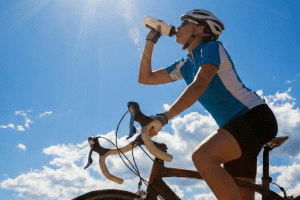
 As the summer sun blazes down, cyclists face unique challenges that can significantly impact their performance and health. Heat exhaustion is a serious concern for those who ride in high temperatures, and understanding its causes, symptoms, and prevention strategies is crucial for any cyclist. This article delves into the intricacies of heat exhaustion, offering practical advice to help you stay safe and perform at your best during those sweltering rides.
Understanding Heat Exhaustion
Heat exhaustion occurs when the body overheats, typically due to prolonged exposure to high temperatures, especially during physical exertion. It is essential to recognize the signs and symptoms early to prevent progression to more severe conditions, such as heat stroke.
Symptoms of Heat Exhaustion
The symptoms of heat exhaustion can vary from person to person but generally include:
-
- Heavy Sweating: An excessive amount of perspiration is often the first sign.
- Weakness and Fatigue: A feeling of extreme tiredness can set in quickly.
- Dizziness and Nausea: Many cyclists report feeling lightheaded or nauseous.
- Headaches: Persistent headaches can indicate dehydration and overheating.
- Cool, Clammy Skin: Despite the heat, the skin may feel cool and moist.
Recognizing these symptoms early can help you take immediate action to cool down and hydrate.
Causes of Heat Exhaustion
Several factors contribute to the onset of heat exhaustion, including:
-
- High Temperatures: Riding in extreme heat increases the risk of overheating.
- Humidity: High humidity levels can hinder the body’s ability to cool itself through sweat evaporation.
- Dehydration: Insufficient fluid intake can lead to a rapid decline in performance and increase the risk of heat-related illnesses.
- Intensity of Exercise: Engaging in high-intensity workouts without proper acclimatization can overwhelm the body’s cooling mechanisms.
Understanding these causes can help cyclists take proactive measures to mitigate their risks.
The Difference Between Heat Exhaustion and Heat Stroke
While heat exhaustion is serious, it is crucial to differentiate it from heat stroke, which is a medical emergency.
Heat Stroke Symptoms
Heat stroke symptoms include:
-
- High Body Temperature: A core temperature of 104°F (40°C) or higher.
- Altered Mental State: Confusion, agitation, or loss of consciousness.
- Hot, Dry Skin: Unlike heat exhaustion, the skin may feel hot and dry due to the body’s inability to sweat.
- Rapid Heart Rate: The heart may race as the body struggles to cool down.
If you or someone else exhibits these symptoms, it is vital to seek medical attention immediately.
Acclimatization: Preparing Your Body for Heat
Acclimatization is the process of gradually exposing your body to higher temperatures, allowing it to adapt and perform better in the heat. This process can significantly enhance your cycling experience during hot weather.
How to Acclimatize
-
- Start Slowly: Begin with shorter rides in the heat, gradually increasing duration and intensity.
- Consistency is Key: Aim for regular exposure to hot conditions, ideally every few days.
- Monitor Your Body: Pay attention to how your body responds to heat and adjust your training accordingly.
Benefits of Acclimatization
-
- Increased Sweat Rate: Your body will begin to sweat more efficiently, helping to cool you down.
- Lower Core Temperature: Acclimatization can help maintain a lower core temperature during exercise.
- Improved Performance: With better heat tolerance, you can maintain higher performance levels in hot conditions.
Hydration Strategies for Hot Weather Cycling
Staying hydrated is one of the most critical aspects of preventing heat exhaustion. Proper hydration helps maintain blood volume, regulate body temperature, and support overall performance.
Pre-Ride Hydration
-
- Hydrate the Day Before: Aim to drink at least 1.5 liters of water the day before your ride.
- Drink Before You Ride: Consume 500-750 ml of water or an electrolyte drink two hours before heading out.
During the Ride
-
- Frequent Sips: Take small sips of water every 15-20 minutes to maintain hydration levels.
- Electrolyte Drinks: Consider using sports drinks that contain electrolytes to replenish lost minerals.
Post-Ride Recovery
-
- Rehydrate: After your ride, consume an isotonic drink to help restore lost fluids and electrolytes.
- Monitor Urine Color: A light yellow color indicates proper hydration, while dark urine suggests dehydration.
Clothing Choices for Hot Weather Cycling
What you wear can significantly impact your comfort and performance in the heat. Choosing the right cycling kit is essential for staying cool.
Fabric Selection
-
- Lightweight and Breathable: Opt for clothing made from moisture-wicking fabrics that allow sweat to evaporate.
- Light Colors: Light-colored clothing reflects sunlight, helping to keep your body temperature down.
Accessories
-
- Ventilated Helmets: Choose helmets with adequate ventilation to allow airflow.
- Cooling Hats: Wearing cooling hats can help lower body temperature.
Cooling Techniques During Rides
Implementing cooling strategies during your ride can help manage body temperature and prevent overheating.
Water Application
-
- Douse Yourself: Pouring water over your head and body can provide immediate cooling relief.
- Wet Clothing: Soaking your cycling jersey can enhance evaporative cooling.
Ice Packs and Cooling Vests
-
- Ice Packs: Carry ice packs in your jersey or shorts to apply to pulse points like the neck and wrists.
- Cooling Vests: Consider wearing a cooling vest before and during your ride for added temperature regulation.
Nutrition Considerations for Hot Weather Cycling
Proper nutrition plays a vital role in maintaining energy levels and hydration during hot rides.
Pre-Ride Nutrition
-
- Balanced Meals: Consume a meal rich in carbohydrates, proteins, and healthy fats before your ride.
- Avoid Heavy Foods: Steer clear of heavy, greasy meals that can slow digestion and increase discomfort.
During the Ride
-
- Energy Gels and Bars: Carry energy gels or bars to maintain energy levels without overloading your stomach.
- Electrolyte Supplements: Use electrolyte tablets or powders to replenish lost minerals during long rides.
Recognizing When to Stop
Understanding your limits is crucial when cycling in the heat. If you experience any symptoms of heat exhaustion, it’s essential to take immediate action.
Signs to Stop Riding
-
- Severe Fatigue: If you feel excessively tired or weak, it’s time to take a break.
- Dizziness or Nausea: These symptoms indicate that your body is struggling to cope with the heat.
- Headaches: Persistent headaches can signal dehydration and overheating.
What to Do if You Experience Symptoms
-
- Find Shade: Move to a shaded area to cool down.
- Hydrate: Drink water or an electrolyte drink to replenish lost fluids.
- Rest: Allow your body to recover before resuming your ride.
Post-Ride Recovery in the Heat
After a long ride in the heat, taking steps to cool down and recover is essential for your overall well-being.
Cooling Down
-
- Cool Shower: Take a cool shower to lower your body temperature.
- Hydration: Continue to hydrate after your ride to restore fluid balance.
Rest and Nutrition
-
- Rest: Allow your body to recover with adequate rest and sleep.
- Balanced Meals: Consume a nutritious meal to replenish energy stores and support recovery.
Cycling in hot weather presents unique challenges, but with the right strategies, you can enjoy your rides while minimizing the risk of heat exhaustion. By understanding the symptoms, acclimatizing your body, staying hydrated, and choosing appropriate clothing, you can enhance your performance and safety during those sweltering summer rides. Remember to listen to your body, recognize your limits, and prioritize your health above all else. With these tips in mind, you can conquer the heat and enjoy the thrill of cycling all summer long.
The Brain Cooler Beanie Helps Protect Athletes Who Play Outdoors in the Heat
High-intensity activities can raise your core and brain temperatures to potentially dangerous levels—compromising focus, reaction time, and overall performance. Our Cooler Beanie (for sports) is designed to help athletes maintain optimal brain temperature, supporting peak cognitive and physical performance alongside proper nutrition, rest, and hydration.
> Buy Now
Contact Us for More Information
Buy Now
—
 About Brain Cooler
 About Brain Cooler
High-intensity activities can raise your core and brain temperatures to potentially dangerous levels—compromising focus, reaction time, and overall performance. Our Cooler Beanie (for sports) is designed to help athletes maintain optimal brain temperature, supporting peak cognitive and physical performance alongside proper nutrition, rest, and hydration. Our Cooler Hat (for outdoor activities) is a wide-brim hat that helps lower your brain temperature. It’s a patent-pending, all-in-one wide-brim hat designed to help lower brain temperature on even the hottest days. Lightweight, comfortable, and easy to activate with cool water, it provides over one hour of cooling relief while you’re out and about.
> Learn More
> Buy Now