
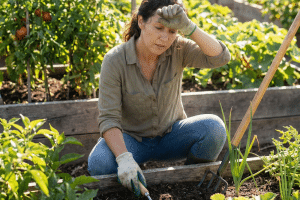
 Gardening is a beloved pastime for many, offering a chance to connect with nature, cultivate beautiful plants, and even grow your own food. However, as the summer sun blazes down, it’s crucial to prioritize your health and safety while tending to your garden. The risk of overheating, heat exhaustion, and heat stroke increases significantly during hot weather, making it essential to adopt strategies that keep you cool and hydrated. In this article, we will explore effective methods to ensure you can enjoy gardening without succumbing to the heat.
Understanding the Risks of Heat Exposure
The Impact of Heat on the Body
When temperatures soar, the body faces significant challenges. As you engage in physical activities like gardening, your body generates heat, which can lead to overheating if not managed properly. The symptoms of heat-related illnesses can range from mild discomfort to severe medical emergencies.
-
- Heat Exhaustion: This condition occurs when the body loses excessive amounts of water and salt, often due to prolonged exposure to high temperatures. Symptoms include heavy sweating, weakness, dizziness, nausea, and headaches.
- Heat Stroke: A more severe condition, heat stroke occurs when the body temperature rises to dangerous levels, typically above 103°F (39.4°C). Symptoms may include confusion, rapid heartbeat, hot and dry skin, and loss of consciousness. Immediate medical attention is crucial.
Recognizing the Signs
Being aware of the signs of heat-related illnesses is vital for any gardener. Here are some common indicators to watch for:
-
- Lightheadedness: Feeling faint or dizzy can signal that your body is struggling to cope with the heat.
- Excessive Sweating: While sweating is a natural cooling mechanism, excessive sweating without relief can lead to dehydration.
- Nausea and Vomiting: These symptoms can indicate that your body is overwhelmed and needs immediate attention.
- Rapid Pulse: An increased heart rate can be a sign that your body is working hard to cool itself down.
Preparing for Your Gardening Session
Timing is Everything
One of the most effective ways to avoid overheating is to choose the right time for gardening. The sun is typically at its peak between 10 a.m. and 4 p.m., making these hours the hottest of the day.
-
- Early Morning: Aim to start your gardening tasks early in the morning when temperatures are cooler and the sun is less intense. This is often the best time for planting, weeding, and other outdoor activities.
- Late Evening: If mornings are not feasible, consider gardening in the late evening when the sun begins to set. Just be mindful of potential mosquito activity during this time.
Dress Appropriately
What you wear can significantly impact your comfort level while gardening. Opt for clothing that promotes airflow and protects your skin from the sun.
-
- Lightweight Fabrics: Choose breathable materials like cotton or linen that allow sweat to evaporate and keep you cool.
- Loose-Fitting Clothing: Loose garments provide better airflow and reduce the risk of overheating. Long sleeves and pants can protect your skin from sunburn while still keeping you cool.
- Wide-Brimmed Hats: A hat with a wide brim can shield your face, neck, and ears from direct sunlight, helping to regulate your body temperature.
Staying Hydrated
The Importance of Hydration
Staying hydrated is crucial when working outdoors in the heat. Dehydration can lead to fatigue, dizziness, and heat-related illnesses.
-
- Pre-Hydrate: Begin hydrating before you step outside. Aim to drink water for at least two hours before starting your gardening tasks. A good rule of thumb is to consume about four cups of water in advance.
- Regular Water Intake: While gardening, aim to drink at least one cup of water every 15 to 20 minutes. Even if you don’t feel thirsty, it’s essential to keep sipping to maintain hydration levels.
Electrolyte Balance
As you sweat, your body loses not only water but also essential electrolytes. After about an hour of gardening, consider replenishing these lost minerals.
-
- Electrolyte Drinks: Consuming drinks that contain electrolytes can help restore balance and prevent fatigue. Look for options that are low in sugar and high in essential minerals.
Taking Breaks
The Power of Rest
Gardening can be physically demanding, especially in hot weather. Taking regular breaks is essential to prevent overheating and fatigue.
-
- Scheduled Breaks: Plan to take breaks every 30 minutes to an hour, depending on the intensity of your tasks. Use this time to cool down, hydrate, and rest your muscles.
- Cool Down: Find a shaded area or a cool indoor space to relax during your breaks. This will help your body recover and lower your core temperature.
Utilizing Cooling Techniques
Innovative Cooling Strategies
In addition to staying hydrated and taking breaks, there are several innovative techniques you can use to keep cool while gardening.
-
- Cooling Accessories: Items such as cooling hats, cooling towels or neck wraps help you stay comfortable.
- Cooling Towels: Consider using cooling towels that can be soaked in water and draped around your neck or forehead. These towels provide a refreshing sensation as the water evaporates.
- Bandanas and Ice Packs: Wearing a bandana around your neck with frozen inserts can help cool your body temperature. You can also place ice packs on pulse points, such as your wrists and neck, for quick relief.
- Portable Fans: If you have access to electricity, a portable fan can create a breeze and help keep you cool while you work.
Gardening Tools and Techniques
Choosing the Right Tools
Using the right gardening tools can make your tasks easier and reduce the physical strain on your body.
-
- Ergonomic Tools: Invest in ergonomic gardening tools that are designed to reduce strain on your back and joints. This can help you work more efficiently and comfortably.
- Lightweight Equipment: Opt for lightweight tools that are easier to handle, especially during hot weather. This will help you conserve energy and reduce the risk of overheating.
Efficient Gardening Techniques
Implementing efficient gardening techniques can also help you manage your workload and stay cool.
-
- Batch Tasks: Group similar tasks together to minimize the time spent transitioning between different activities. For example, do all your weeding in one session before moving on to planting.
- Use Mulch: Applying mulch around your plants can help retain moisture in the soil, reducing the need for frequent watering and minimizing your time spent in the heat.
Recognizing When to Stop
Listening to Your Body
It’s essential to listen to your body and recognize when it’s time to take a break or stop gardening altogether.
-
- Know Your Limits: If you start to feel lightheaded, excessively sweaty, or fatigued, it’s a sign that you need to take a break or head indoors.
- Avoid Overexertion: Pushing yourself to finish tasks quickly can lead to overheating. Remember that gardening can wait for a cooler day.
First Aid for Heat-Related Illnesses
Responding to Heat Exhaustion
If you or someone else shows signs of heat exhaustion, it’s crucial to act quickly.
-
- Move to a Cooler Area: Get the affected person to a shaded or air-conditioned space to help lower their body temperature.
- Hydrate: Encourage them to drink water or an electrolyte-replenishing drink slowly.
Responding to Heat Stroke
Heat stroke is a medical emergency that requires immediate attention.
-
- Call for Help: If you suspect someone is experiencing heat stroke, call emergency services right away.
- Cool the Person Down: While waiting for help, try to cool the person down by applying ice packs to their neck, armpits, and groin, or by immersing them in cool water if possible.
Gardening can be a rewarding and enjoyable activity, but it’s essential to prioritize your health and safety during hot weather. By understanding the risks of heat exposure, preparing adequately, staying hydrated, and recognizing the signs of heat-related illnesses, you can ensure a safe and pleasant gardening experience. Remember to listen to your body, take breaks, and utilize cooling techniques to keep yourself comfortable while you cultivate your garden. With these strategies in mind, you can enjoy the beauty of gardening without the risk of overheating.
The Brain Cooler Hat Helps Protect You From Extreme Heat While Gardening
The cooler hat is a wide-brim hat that helps lower your brain temperature. It’s a patent-pending, all-in-one wide-brim hat designed to help lower brain temperature on even the hottest days. Lightweight, comfortable, and easy to activate with cool water, it provides over one hour of cooling relief while you’re out and about.
> Learn More
Contact Us for More Information
Buy Now
—
 About Brain Cooler
 About Brain Cooler
High-intensity activities can raise your core and brain temperatures to potentially dangerous levels—compromising focus, reaction time, and overall performance. Our Cooler Beanie (for sports) is designed to help athletes maintain optimal brain temperature, supporting peak cognitive and physical performance alongside proper nutrition, rest, and hydration. Our Cooler Hat (for outdoor activities) is a wide-brim hat that helps lower your brain temperature. It’s a patent-pending, all-in-one wide-brim hat designed to help lower brain temperature on even the hottest days. Lightweight, comfortable, and easy to activate with cool water, it provides over one hour of cooling relief while you’re out and about.
> Learn More
> Buy Now