
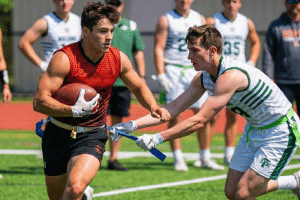
 Youth flag football has gained immense popularity, providing children with an opportunity to engage in physical activity, develop teamwork skills, and enjoy the thrill of competition. However, as the temperatures rise, particularly during championship events, it becomes crucial to prioritize the health and safety of young athletes. This article explores the challenges posed by excessive heat during youth flag football tournaments and offers practical strategies for coaches, parents, and players to ensure a safe and enjoyable experience.
Understanding the Risks of Heat Exposure
The Impact of High Temperatures
When temperatures soar, the risk of heat-related illnesses increases significantly. Young athletes are particularly vulnerable due to their developing bodies and lower tolerance for heat. Conditions such as heat exhaustion and heat stroke can occur if proper precautions are not taken.
-
- Heat Exhaustion: Symptoms include heavy sweating, weakness, dizziness, and nausea. If not addressed promptly, it can escalate to heat stroke.
- Heat Stroke: This is a severe condition characterized by a high body temperature, confusion, and loss of consciousness. It requires immediate medical attention.
Recognizing Symptoms
Parents and coaches should be vigilant in monitoring players for signs of heat-related illnesses. Key symptoms to watch for include:
-
- Headaches: Often an early indicator of dehydration.
- Nausea and Vomiting: These can signal the onset of heat exhaustion.
- Confusion: Disorientation or confusion can indicate a serious heat-related issue.
- Excessive Sweating: While sweating is normal, an abrupt change in sweating patterns can be concerning.
Preparing for the Heat
Hydration Strategies
Proper hydration is essential for young athletes, especially during hot weather. Coaches should emphasize the importance of drinking water before, during, and after games. Here are some effective hydration strategies:
-
- Pre-Game Hydration: Encourage players to start hydrating days before the event. This helps build up their fluid reserves.
- Scheduled Water Breaks: Implement regular water breaks every 15-20 minutes during practice and games to ensure players stay hydrated.
- Electrolyte Drinks: In addition to water, consider offering electrolyte-replenishing drinks to help maintain balance.
Cooling Techniques
Incorporating cooling techniques can help mitigate the effects of heat. Here are some methods to consider:
-
- Cooling Hats: Wearing cooling hats can help lower body temperature.
- Wet Towels: Provide players with damp towels to place on their necks and foreheads, helping to cool their bodies.
- Shade Areas: Set up shaded areas where players can rest and cool down during breaks.
- Cooling Vests: For extreme heat, consider using cooling vests that can help regulate body temperature.
Game Day Preparations
Equipment and Gear
The right equipment can make a significant difference in how players cope with heat. Coaches should ensure that:
-
- Lightweight Uniforms: Players wear breathable, moisture-wicking fabrics that allow for better airflow.
- Proper Footwear: Ensure players have appropriate shoes that provide support and comfort during play.
- Cooling Hats: Wearing cooling hats can help lower body temperature.
Parental Involvement
Parents play a crucial role in ensuring their children are prepared for the heat. Here are some ways they can contribute:
-
- Pack Hydration Supplies: Encourage parents to send their children with water bottles and snacks that promote hydration, such as fruits.
- Monitor Health: Parents should keep an eye on their child’s health and report any concerning symptoms to coaches.
During the Tournament
Managing Game Schedules
When organizing tournaments, it’s essential to consider the heat when scheduling games. Here are some tips:
-
- Morning or Evening Games: Schedule games during cooler parts of the day, such as early morning or late afternoon.
- Shortened Halves: Consider reducing game lengths to minimize exposure to heat.
Communication with Players
Effective communication is vital for ensuring players understand the importance of heat safety. Coaches should:
-
- Educate Players: Discuss the signs of heat-related illnesses and the importance of reporting any symptoms.
- Encourage Team Support: Foster an environment where players look out for one another and report any concerns.
Post-Game Recovery
Importance of Recovery
After a day of play, recovery is crucial for young athletes. Here’s how to facilitate effective recovery:
-
- Rehydration: Encourage players to drink water and electrolyte beverages immediately after games.
- Nutrition: Provide healthy snacks that replenish energy and nutrients lost during play, such as bananas, granola bars, and yogurt.
Monitoring Health
Post-game, coaches and parents should continue to monitor players for any lingering symptoms of heat-related illnesses. If any concerns arise, it’s essential to seek medical advice promptly.
The Role of Coaches
Training and Awareness
Coaches must be well-informed about the risks associated with heat exposure. Here are some steps they can take:
-
- Attend Workshops: Participate in training sessions focused on heat safety and first aid.
- Create a Safety Plan: Develop a comprehensive plan that outlines procedures for managing heat-related emergencies.
Leading by Example
Coaches should model good behavior regarding hydration and heat safety. This includes:
-
- Staying Hydrated: Demonstrate the importance of drinking water regularly.
- Taking Breaks: Show that it’s okay to take breaks and prioritize health over competition.
Community Support
Engaging Local Health Experts
Collaborating with local health professionals can enhance safety measures during youth flag football events. Consider:
-
- Health Screenings: Organize pre-season health screenings to assess players’ readiness for the season.
- Workshops for Parents: Host informational sessions for parents on recognizing heat-related illnesses and promoting hydration.
Building a Support Network
Creating a network of support among parents, coaches, and local organizations can foster a culture of safety. This can include:
-
- Parent Committees: Form committees to discuss safety measures and share resources.
- Community Events: Organize events that promote awareness of heat safety in youth sports.
As youth flag football continues to thrive, ensuring the safety of young athletes in hot weather is paramount. By implementing effective hydration strategies, monitoring for symptoms of heat-related illnesses, and fostering a supportive community, we can create a safe and enjoyable environment for all players. With the right preparations and awareness, we can navigate the challenges posed by heat and allow our youth to thrive on the field.
The Brain Cooler Beanie Helps Protect Athletes Who Play Outdoors in the Heat
High-intensity activities can raise your core and brain temperatures to potentially dangerous levels—compromising focus, reaction time, and overall performance. Our Cooler Beanie (for sports) is designed to help athletes maintain optimal brain temperature, supporting peak cognitive and physical performance alongside proper nutrition, rest, and hydration.
> Buy Now
Contact Us for More Information
Buy Now
—
 About Brain Cooler
 About Brain Cooler
High-intensity activities can raise your core and brain temperatures to potentially dangerous levels—compromising focus, reaction time, and overall performance. Our Cooler Beanie (for sports) is designed to help athletes maintain optimal brain temperature, supporting peak cognitive and physical performance alongside proper nutrition, rest, and hydration. Our Cooler Hat (for outdoor activities) is a wide-brim hat that helps lower your brain temperature. It’s a patent-pending, all-in-one wide-brim hat designed to help lower brain temperature on even the hottest days. Lightweight, comfortable, and easy to activate with cool water, it provides over one hour of cooling relief while you’re out and about.
> Learn More
> Buy Now