
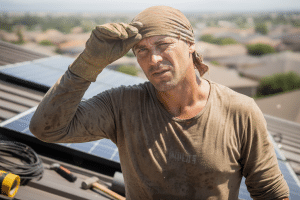
 Roofing is a demanding profession that often requires workers to endure extreme weather conditions, particularly during the sweltering summer months. As temperatures rise, so does the risk of heat-related illnesses, which can have serious consequences for those working on rooftops. This article delves into the various aspects of heat stress, its impact on roofers, and effective strategies for prevention and management.
Understanding Heat Stress
Heat stress occurs when the body is unable to regulate its temperature effectively, leading to a range of health issues. For roofers, who often work in direct sunlight and high temperatures, the risk of heat stress is significantly heightened.
Causes of Heat Stress
Several factors contribute to heat stress among roofers:
-
- Environmental Conditions: High temperatures, humidity, and direct sunlight can all exacerbate heat stress. The heat index, which combines temperature and humidity, is a critical measure for assessing risk.
- Physical Activity: The strenuous nature of roofing work increases metabolic heat production, making it harder for the body to cool down.
- Protective Gear: While necessary for safety, heavy clothing and equipment can trap heat and hinder the body’s ability to dissipate warmth.
- Individual Factors: Age, health status, and acclimatization to heat can influence a worker’s susceptibility to heat stress.
Symptoms of Heat Stress
Recognizing the signs of heat stress is crucial for timely intervention. Common symptoms include:
-
- Heavy sweating
- Fatigue and weakness
- Dizziness or lightheadedness
- Nausea or vomiting
- Confusion or irritability
If left unaddressed, heat stress can escalate to more severe conditions such as heat exhaustion or heat stroke, both of which require immediate medical attention.
The Impact of Heat Stress on Roofers
Roofers face unique challenges when it comes to heat stress, given the nature of their work.
Increased Risk of Heat-Related Illnesses
Research indicates that roofers are at a significantly higher risk of heat-related illnesses compared to other construction workers. The Center for Construction Research and Training reports that roofers are seven times more likely to suffer from heat-related fatalities.
Consequences of Heat Stress
The implications of heat stress extend beyond individual health. They can also affect productivity and safety on the job site.
-
- Decreased Performance: Heat stress can lead to reduced concentration and slower reaction times, increasing the likelihood of accidents.
- Increased Absenteeism: Workers suffering from heat-related illnesses may require time off, leading to labor shortages and project delays.
- Long-Term Health Effects: Repeated exposure to extreme heat can result in chronic health issues, including cardiovascular problems.
Prevention Strategies for Roofers
Implementing effective prevention strategies is essential for safeguarding roofers against heat stress.
Hydration
Staying hydrated is one of the most critical aspects of heat stress prevention.
-
- Regular Water Intake: Roofers should aim to drink at least one quart of water per hour, even if they do not feel thirsty.
- Electrolyte Replacement: In addition to water, consuming electrolyte-rich beverages can help replenish essential salts lost through sweat.
Acclimatization
Gradually acclimating to high temperatures can significantly reduce the risk of heat stress.
-
- Gradual Increase in Workload: New workers or those returning after a break should start with shorter shifts and gradually increase their workload over several days.
- Monitoring Health: Regular health evaluations can help identify workers who may be at higher risk for heat-related illnesses.
Scheduling and Breaks
Strategic planning of work schedules can help minimize heat exposure.
-
- Start Early: Begin work during the cooler morning hours to avoid the peak heat of the day.
- Frequent Breaks: Implement regular breaks in shaded or air-conditioned areas to allow workers to cool down.
Recognizing and Responding to Heat-Related Illnesses
Understanding how to identify and respond to heat-related illnesses is vital for roofers.
Heat Exhaustion
Heat exhaustion is a precursor to heat stroke and should be treated promptly. Symptoms include:
-
- Heavy sweating
- Weakness and fatigue
- Nausea or vomiting
Response: Move the affected worker to a cooler area, provide water, and monitor their condition closely.
Heat Stroke
Heat stroke is a life-threatening emergency that requires immediate medical attention. Symptoms may include:
-
- High body temperature (above 104°F)
- Confusion or altered mental state
- Loss of consciousness
Response: Call emergency services immediately, move the person to a cool area, and apply ice packs to critical areas such as the neck, armpits, and groin.
The Role of Employers in Heat Stress Management
Employers play a crucial role in creating a safe working environment for roofers.
Training and Education
Providing comprehensive training on heat stress prevention and recognition is essential.
-
- Regular Safety Meetings: Conduct training sessions to educate workers about the risks of heat stress and the importance of hydration and acclimatization.
- First Aid Training: Ensure that all workers are trained in recognizing the signs of heat-related illnesses and know how to respond appropriately.
Implementing Safety Protocols
Establishing clear safety protocols can help mitigate the risks associated with heat stress.
-
- Heat Safety Plans: Develop and communicate a heat safety plan that outlines procedures for monitoring weather conditions, scheduling work, and responding to heat-related incidents.
- Access to Resources: Provide easy access to water, shaded areas, and cooling equipment to support workers during hot weather.
The Importance of Personal Protective Equipment (PPE)
While PPE is essential for safety, it can also contribute to heat stress if not managed properly.
Choosing the Right Gear
Selecting appropriate clothing can help mitigate heat stress.
-
- Lightweight and Breathable Fabrics: Opt for clothing made from moisture-wicking materials that allow sweat to evaporate.
- Light Colors: Wearing light-colored clothing can help reflect sunlight and keep workers cooler.
Modifying PPE for Heat
Employers should consider modifying PPE requirements during extreme heat conditions.
-
- Adjusting Gear: Allow workers to remove non-essential layers of clothing or use cooling vests when temperatures rise significantly.
- Providing Cooling Accessories: Offer items such as cooling hats, cooling towels or neck wraps to help workers stay comfortable.
The Role of Technology in Heat Stress Management
Advancements in technology can aid in monitoring and managing heat stress.
Wearable Devices
Wearable technology can provide real-time data on workers’ health and environmental conditions.
-
- Temperature and Heart Rate Monitoring: Devices that track body temperature and heart rate can alert workers and supervisors to potential heat stress.
- Environmental Sensors: Tools that measure temperature, humidity, and heat index can help assess the safety of working conditions.
Mobile Apps
Utilizing mobile applications can enhance heat stress management efforts.
-
- Heat Safety Apps: Apps that provide real-time weather updates, heat index calculations, and safety tips can be invaluable for roofers working outdoors.
- Reporting Tools: Encourage workers to report symptoms of heat stress through mobile platforms to ensure timely intervention.
Community and Industry Support
Collaboration within the roofing industry and the broader community can enhance heat stress prevention efforts.
Sharing Best Practices
Roofing companies can benefit from sharing knowledge and strategies for managing heat stress.
-
- Industry Workshops: Participate in workshops and conferences focused on heat stress prevention and safety in the roofing industry.
- Networking: Connect with other roofing professionals to exchange ideas and resources for improving worker safety.
Advocacy for Policy Changes
Advocating for policies that prioritize worker safety can lead to meaningful change.
-
- Support for Regulations: Encourage local and national regulations that mandate heat stress prevention measures in outdoor work environments.
- Community Awareness Campaigns: Engage in campaigns that raise awareness about the risks of heat stress and promote safe practices among outdoor workers.
Heat stress poses a significant threat to roofers, but with proper awareness, training, and preventive measures, the risks can be effectively managed. By prioritizing hydration, acclimatization, and safety protocols, both employers and workers can create a safer working environment. As temperatures continue to rise, it is crucial for the roofing industry to remain vigilant and proactive in addressing the challenges posed by extreme heat. Through collaboration, education, and the use of technology, we can ensure that roofers stay safe and healthy while performing their vital work.
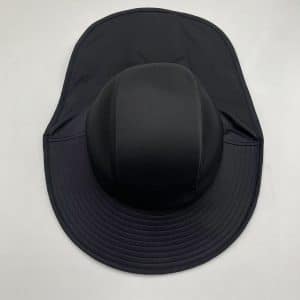
The Brain Cooler Hat Helps Protect Roofers Who Work in Extreme Heat
The cooler hat is a wide-brim hat that helps lower your brain temperature. It’s a patent-pending, all-in-one wide-brim hat designed to help lower brain temperature on even the hottest days. Lightweight, comfortable, and easy to activate with cool water, it provides over one hour of cooling relief while you’re out and about.
> Learn More
 The Brain Cooler Hat Helps Protect Roofers Who Work in Extreme Heat
Contact Us for More Information
Buy Now
—
 About Brain Cooler
 About Brain Cooler
High-intensity activities can raise your core and brain temperatures to potentially dangerous levels—compromising focus, reaction time, and overall performance. Our Cooler Beanie (for sports) is designed to help athletes maintain optimal brain temperature, supporting peak cognitive and physical performance alongside proper nutrition, rest, and hydration. Our Cooler Hat (for outdoor activities) is a wide-brim hat that helps lower your brain temperature. It’s a patent-pending, all-in-one wide-brim hat designed to help lower brain temperature on even the hottest days. Lightweight, comfortable, and easy to activate with cool water, it provides over one hour of cooling relief while you’re out and about.
> Learn More
> Buy Now